

6 Common Landscaping Issues Prevented by Regular Maintenance
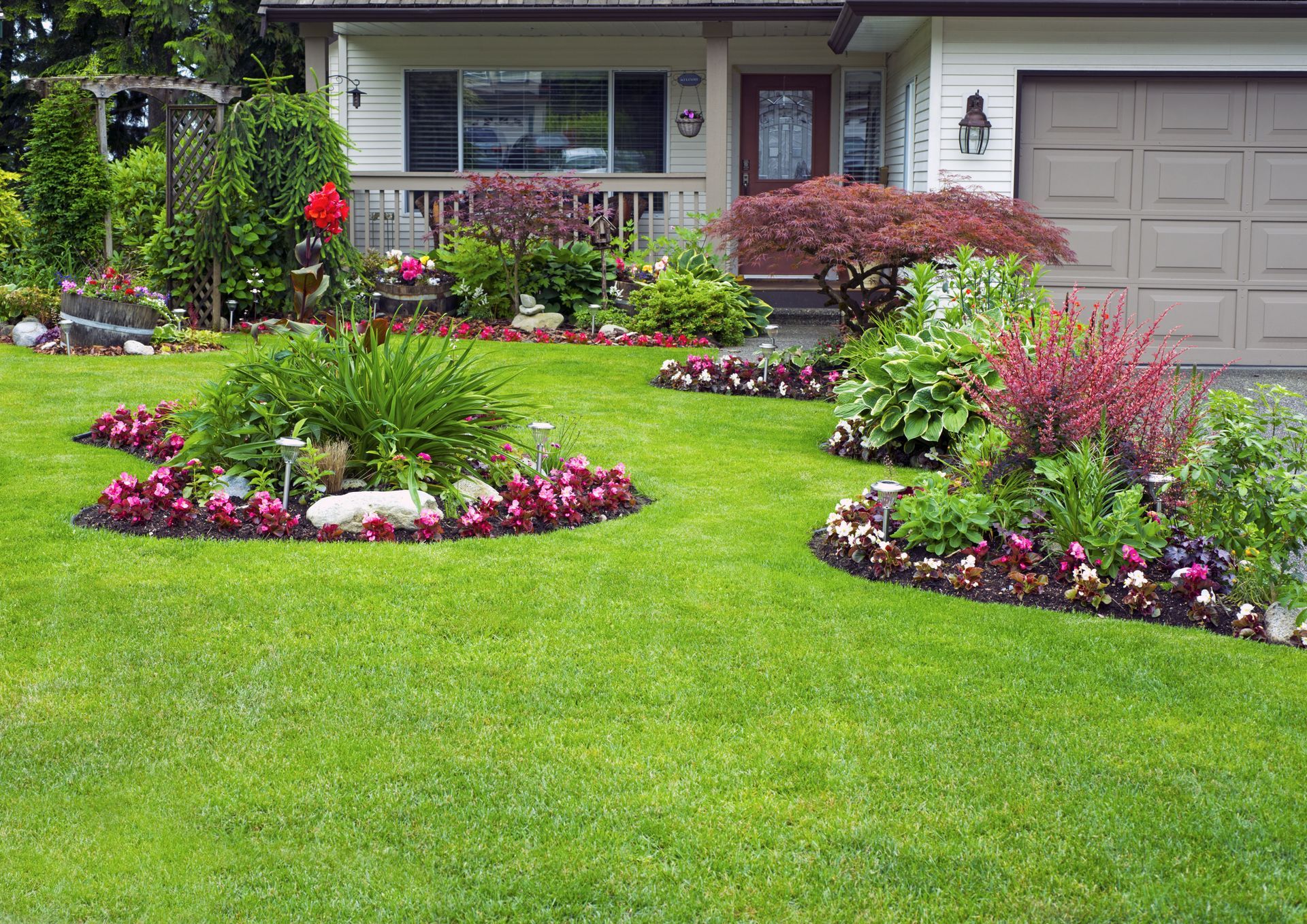
In the world of property ownership, a beautiful yard is rarely the result of mere luck; it is the product of consistent effort and foresight. Regular upkeep is the primary defense against a wide array of environmental stressors that can turn a lush sanctuary into a costly headache. By adopting a proactive mindset, you can stop issues like soil degradation or aggressive weeds before they take root. Establishing an effective landscape maintenance routine is the most reliable way to guarantee your garden remains healthy and inviting throughout every season of the changing year.
1. Prevent Soil Erosion
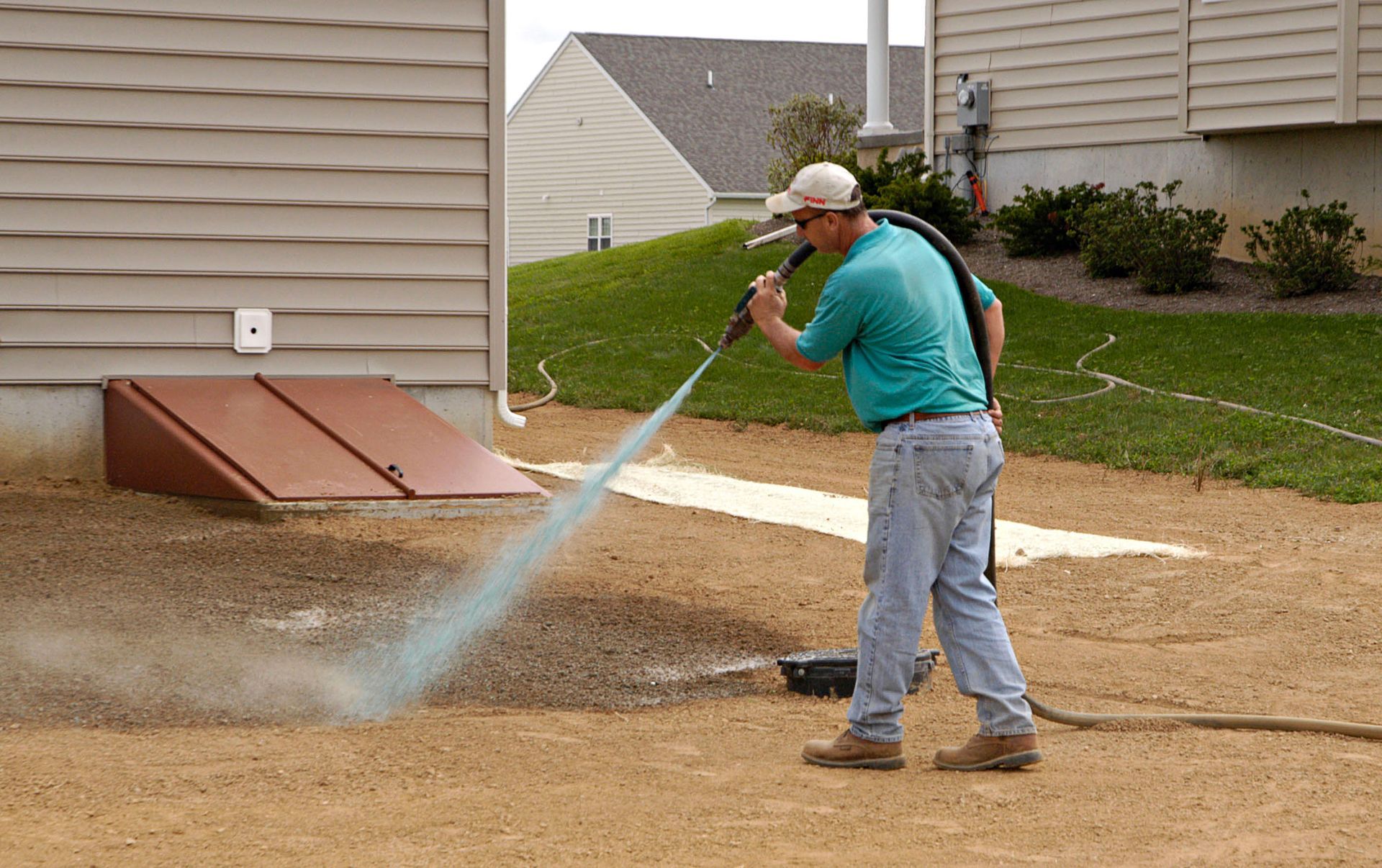
Soil erosion represents the slow but steady removal of precious topsoil by the relentless forces of wind and water. This natural process can quietly strip a garden of its fertility, leaving plants struggling for stability in nutrient-depleted earth. When the top layer of soil vanishes, the structural integrity of your entire landscape is compromised, often leading to unsightly gullies and unstable slopes. Heavy rainfall frequently accelerates this damage, washing away the very particles that provide a foundation for growth.
To combat this displacement, homeowners must utilize strategic physical barriers and biological anchors. Building retaining walls or terraces can effectively redirect the flow of water, while planting deep-rooted groundcovers and trees provides a natural net that holds the earth in place. Consistent monitoring is equally vital; keeping an eye out for exposed roots or sediment buildup in low-lying areas allows you to address minor issues before they become structural failures. Incorporating professional landscape maintenance ensures that drainage systems remain clear and that vegetation stays healthy enough to resist the elements.
2. Control Weed Growth
Invading species like crabgrass, dandelions, and clover are more than just an eyesore; they are aggressive competitors that steal sunlight, water, and vital nutrients from your prized flowers and turf. These opportunistic plants spread with alarming speed through hidden root systems and wind-blown seeds, quickly dominating any patch of neglected ground. Once established, weeds disrupt the visual harmony of your design and can significantly lower your property's overall appeal. According to LawnStarter, a common guideline suggests that property owners should allocate approximately 10% of their home's total value toward front and back landscaping projects, making it vital to protect that significant financial investment from being overrun by invasive growth.
Managing these intruders requires a multi-layered strategy that combines physical, chemical, and cultural methods. Applying a thick layer of organic mulch serves as a natural barrier, blocking the sunlight that weed seeds need to germinate while simultaneously enriching the soil as it decomposes. Regular cultivation, such as light hoeing or tilling, can also disrupt the life cycle of these pests before they have a chance to go to seed. Integrating these tasks into a broader landscape maintenance routine keeps the garden looking polished and prevents the need for harsh, large-scale chemical applications. By staying ahead of the germination cycle, you ensure that your intended plants remain the stars of the show rather than being crowded out by unwanted guests.
3. Manage Pest Infestations
A wide variety of pests, ranging from microscopic aphids to burrowing rodents, can infiltrate even the most well-tended gardens if given the chance. These organisms often leave behind a trail of destruction, such as skeletonized leaves, stunted growth, or weakened root systems that can lead to sudden plant death. Many insects, like spider mites and whiteflies, thrive in the hidden recesses of dense foliage, making them difficult to spot until the damage is already extensive.
Effective pest management relies on an integrated approach that prioritizes balance and early detection over heavy-handed chemicals. Encouraging beneficial insects like ladybugs and lacewings can provide a natural check on aphid populations, while homemade soap sprays offer a gentle way to deter soft-bodied pests. Scheduled inspections of the undersides of leaves and the condition of the soil are essential components of high-quality landscape maintenance. These routines allow you to identify activity patterns and intervene with targeted solutions that minimize ecological impact.
4. Prune Overgrown Vegetation
When shrubs and trees are allowed to grow without restraint, they can quickly become a liability rather than an asset. Overgrowth often leads to poor air circulation and a lack of sunlight reaching the inner branches, which creates a damp environment where fungal diseases and pests thrive. Beyond the biological risks, sprawling branches can obscure architectural features of your home, block essential pathways, and even pose a safety hazard during stormy weather.
Scheduled pruning is the most effective way to manage this growth while simultaneously stimulating new, healthy development. By removing dead or diseased wood and thinning out crowded areas, you improve the plant's overall vigor and ensure that resources are directed toward productive growth. Different species require specific timing for their trim—some are best handled in the dormant winter months, while others need a spring touch-up to encourage blooming. Including these tasks in your regular landscape maintenance ensures that your hedges stay crisp and your trees remain structurally sound.
5. Support Lawn Vitality
A lush, green lawn is often the centerpiece of a property, but it is also one of the most vulnerable areas to disease and environmental stress. Common fungal issues like brown patch or necrotic ring spot can turn a uniform carpet of grass into a mosaic of unsightly yellow circles and thinning patches. These problems are often exacerbated by poor mowing habits, such as cutting the grass too short, which leaves the turf susceptible to heat and pests.
To keep your turf resilient, you must focus on the fundamentals of soil health and proper hydration. Regular aeration relieves soil compaction and allows the lawn to "breathe," while periodic soil testing ensures that you are applying the correct balance of nitrogen, phosphorus, and potassium. Mowing at the recommended height for your specific grass type encourages deeper root growth and provides natural shade for the soil surface. These efforts are more effective when they are part of a structured landscape maintenance plan that adapts to the changing needs of the grass throughout the seasons.
6. Fix Drainage Concerns
Improper water drainage can lead to a host of serious problems, from soggy lawns and rotted plant roots to significant structural damage to your home’s foundation. When water pools in low-lying areas or fails to move away from hardscapes, it creates a breeding ground for mosquitoes and harmful bacteria. Over time, saturated soil loses its ability to support the weight of trees and structures, leading to leaning trunks or cracked walkways.
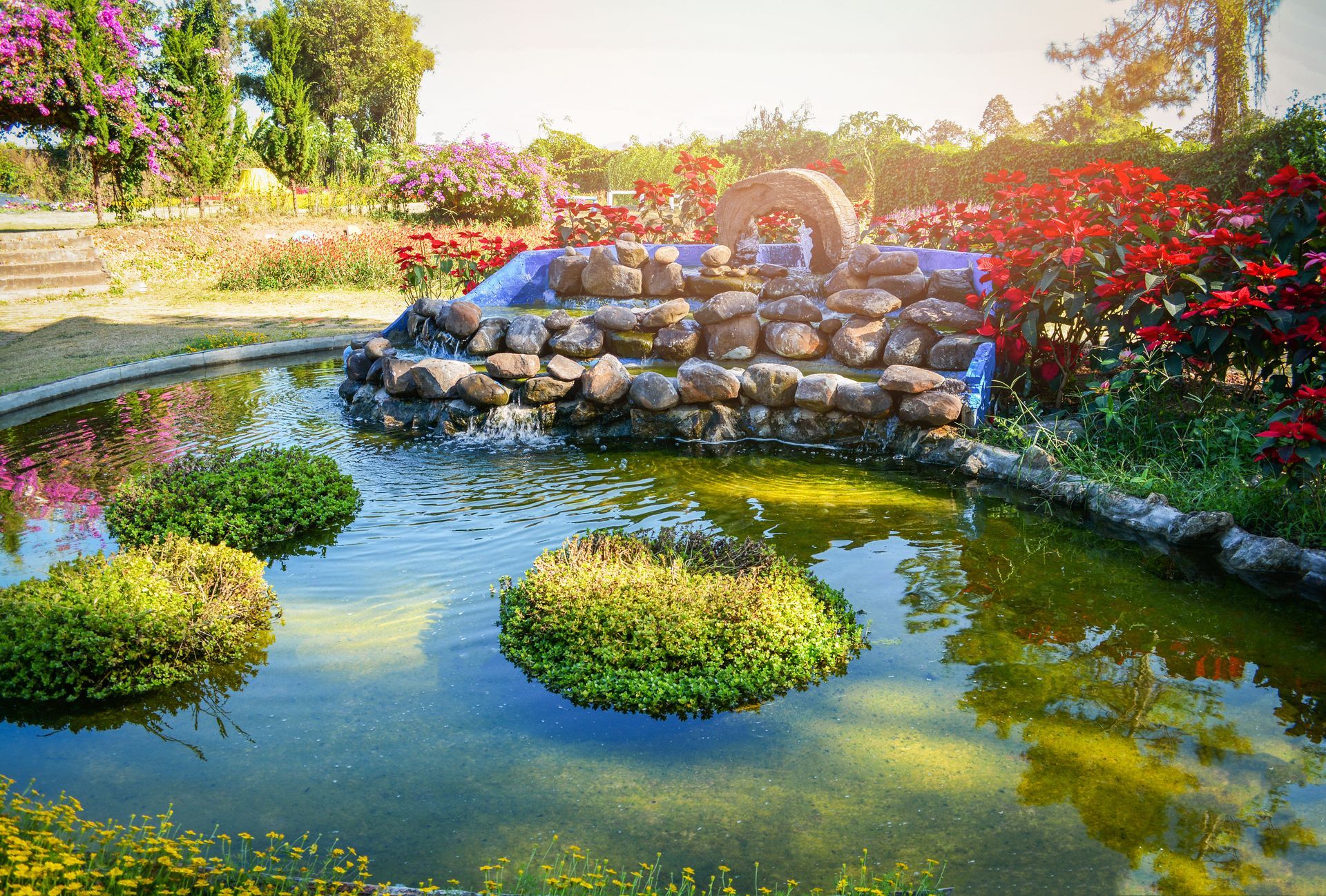
Resolving these issues often involves a combination of smart design and consistent system upkeep. Installing French drains, dry creek beds, or rain gardens can effectively redirect excess moisture toward areas where it can be safely absorbed or moved off-site. Using permeable materials like gravel or specialized pavers also helps by allowing water to filter directly into the ground rather than running off into a localized pool. Regular landscape maintenance should include checking gutters, downspouts, and existing drainage grates to ensure they are free of debris and functioning correctly.
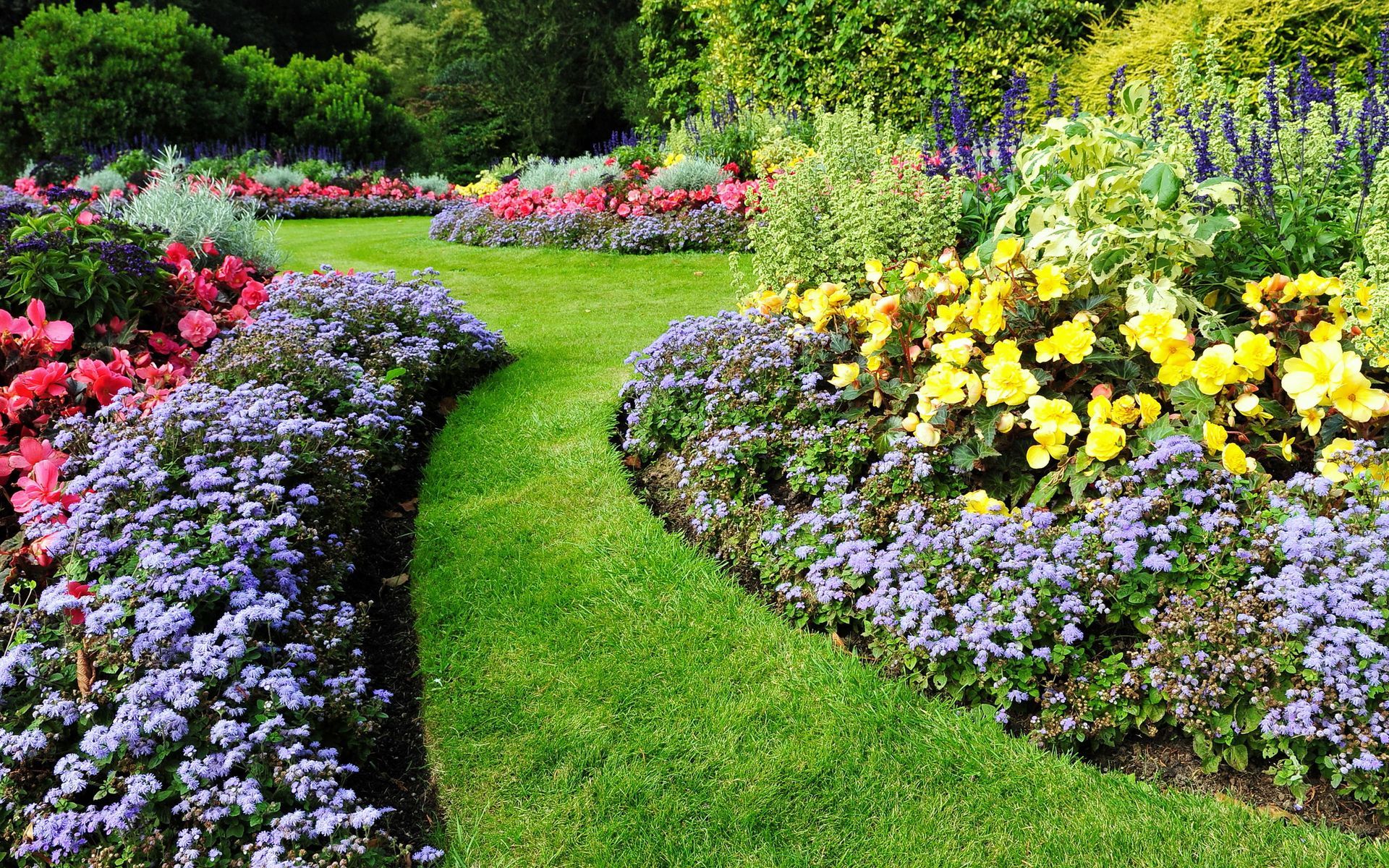
Consistency is the common thread that links a beautiful yard to a healthy one. By addressing these six common issues through a dedicated routine, you can avoid the frustration of watching your hard work and investment wither away. A well-maintained landscape provides more than just curb appeal; it offers a functional, enjoyable space that adds genuine value to your home. Taking the time to understand the unique needs of your soil, plants, and turf will pay dividends in the form of a resilient and flourishing garden. Contact us at Rivage Landscaping LLC to achieve the perfect outdoor sanctuary.
Share On: